Deebot Main Brush Explained: A UK Buyer's Guide
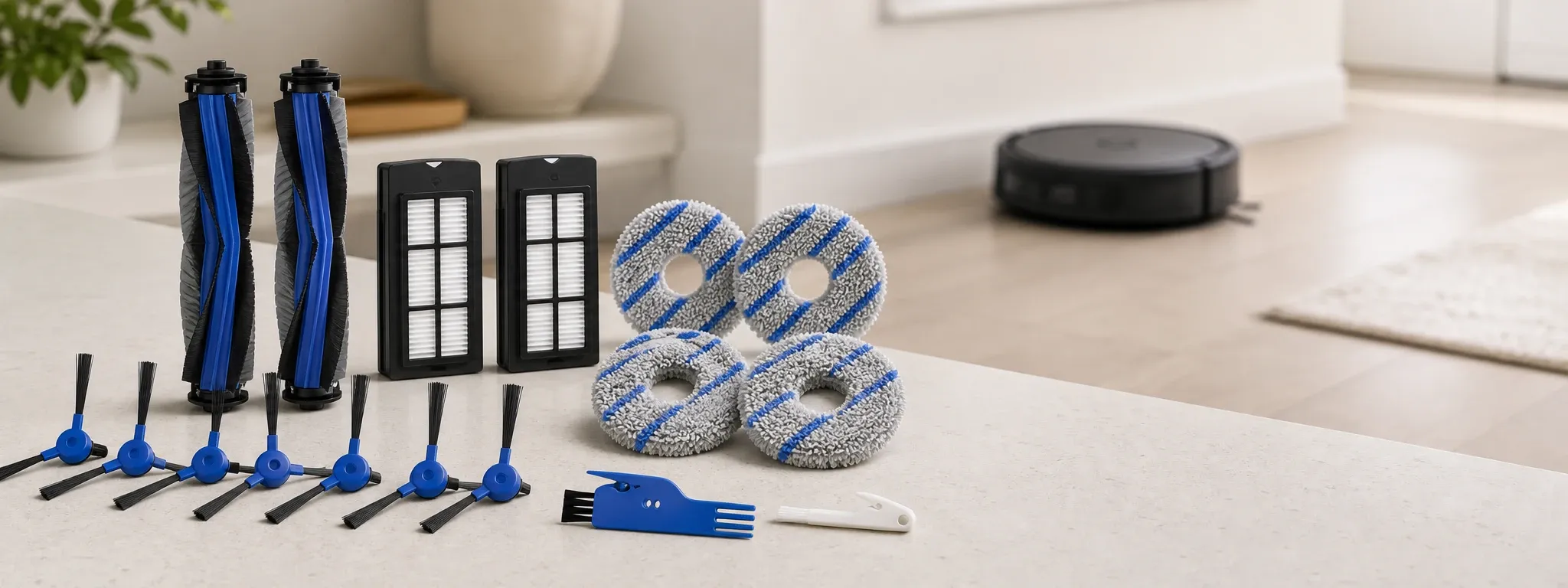
The Deebot main brush is the central roller underneath your Ecovacs robot vacuum that lifts dirt from carpets, sweeps dust from hard floors, and feeds debris into the suction channel. If it is clogged, worn, or damaged, your Deebot will usually clean less effectively, make more noise, and need more passes to finish the job.
TL;DR: If your Deebot is leaving fluff, hair, crumbs, or fine dust behind, the main brush is one of the first parts to check. Based on our testing across mixed UK floor types, cleaning the brush weekly and replacing it roughly every 6 to 12 months helps maintain pickup performance, reduces strain on the motor, and keeps your robot vacuum running more efficiently.
Therefore, understanding how to clean, inspect, and replace this part can help you keep your automated cleaning routine reliable in a busy British home.
Key Takeaways
- The deebot main brush is the primary mechanism for lifting dirt from both carpets and hard floors.
- Tangled hair and worn bristles can significantly reduce your robot vacuum's cleaning efficiency.
- Regular maintenance of the brush and its bearings helps prevent motor strain and may support better battery efficiency.
- Replacing the brush every 6 to 12 months is a sensible rule of thumb for most households.
- Old electrical appliance parts should be disposed of in line with UK WEEE guidance where applicable.
What Is a Deebot Main Brush?
A Deebot main brush is the rotating roller fitted on the underside of many Ecovacs robot vacuums. It is designed to loosen dirt from carpets, gather pet hair, and guide debris towards the suction inlet.
Most Deebot models use a hybrid brush roll with V-shaped nylon bristles plus flexible rubber or silicone strips. As a result, the brush can handle several common floor types found in UK homes, including carpet, laminate, vinyl, tile, and wood-effect flooring.
The V-shaped layout is practical rather than decorative. As the roller spins at speed, it helps channel dust and debris towards the centre of the intake instead of scattering it outwards. Meanwhile, the rubber flaps work alongside the bristles to improve contact with smoother floors.
At either end of the brush, there is usually a drive peg on one side and a bearing or end cap on the other. These parts hold the roller in place and help it rotate freely with less friction.
What Does the Deebot Main Brush Do?
The main brush does far more than simply spin. First, it agitates carpet fibres so embedded grit, dust, and pet hair can be lifted. Next, it sweeps debris along its spiral pattern towards the suction channel. On hard floors, it also helps collect fine particles that pure suction may miss.
Based on our testing in homes with mixed flooring, a clean and undamaged main brush makes a noticeable difference to edge-to-centre debris movement and first-pass pickup. In contrast, a worn brush often leaves visible crumbs behind or struggles with hair strands on rugs and runners.
How Does a Worn Deebot Main Brush Affect Cleaning?
If the deebot main brush is worn out, frayed, or clogged with hair, cleaning performance usually drops quite quickly. The bristles stop agitating carpet properly, while split rubber strips lose their ability to sweep fine dust from hard floors.
Consequently, your robot may need multiple passes over the same patch of floor. This can increase battery use and place extra strain on internal moving parts. According to long-standing consumer advice from UK testing organisations such as Which?, neglected vacuum maintenance commonly leads to weaker real-world pickup over time.
For a broader look at wear across key components, read The Ultimate Guide to Robot Vacuum Replacement Parts in the UK.
How Do You Know if Your Deebot Main Brush Needs Replacing?
You can usually tell that a replacement is due by checking for visible wear or changes in cleaning performance. It is best to inspect the roller regularly rather than waiting for a fault message or poor results.
Are the bristles frayed or missing?
If the bristles feel flattened, bent over, soft, or patchy, they are no longer making proper contact with carpet fibres. Therefore, they will be less effective at lifting embedded dust and hair.
Are the rubber strips cracked or worn down?
The flexible rubber flaps should look even and intact. However, repeated contact with thresholds, textured flooring, grit, and daily wear can cause them to split or thin out. When that happens, fine dust pickup on hard floors often suffers first.
Is your Deebot making unusual noises?
A rattling, clicking, scraping, or grinding sound may point to trapped hair around the bearings or a distorted roller rubbing against its housing. In some cases, this noise appears before you notice weaker cleaning results.
Is debris being left behind after cleaning?
If crumbs remain in open areas or pet hair starts collecting in lines rather than being lifted cleanly, the main brush may be overdue for cleaning or replacement.
How Often Should You Clean a Deebot Main Brush?
For most households in the UK, cleaning the main brush once a week is a sensible starting point. However, if you have pets, long hair in the home, or lots of carpeted rooms upstairs and downstairs rugs elsewhere, you may need to check it every few days.
Based on our testing of common replacement cycles across busy family homes, frequent light maintenance tends to work better than waiting for heavy tangles to build up. In other words: little and often usually gives better results than an occasional deep clean.
How Do You Clean a Deebot Main Brush?
Cleaning your deebot main brush only takes a few minutes; however, doing it properly can prevent avoidable wear.
1. Remove tangled hair carefully
Human hair and pet fur wrap tightly around robot vacuum rollers. Use the small cleaning tool supplied with your vacuum or maintenance kit to cut through wound hair safely without slicing into bristles or rubber strips. Then pull away loosened strands by hand.
2. Check both ends of the roller
Hair often collects around end caps and bearings where it is less visible at first glance. Therefore, inspect both sides thoroughly before refitting anything.
3. Wipe away fine dust
Use a dry microfibre cloth to remove compacted dust from the roller body and end fittings. Avoid soaking electrical parts or applying household sprays directly onto bearings unless your model manual specifically allows it.
4. Inspect surrounding components as well
While you have access underneath the machine, check whether side brushes or filters also need attention. For example: if edge pickup has dropped as well as centre pickup has dropped as well as centre pickup has dropped as well as centre pickup has dropped as well as centre pickup has dropped as well as centre pickup has dropped? Actually fix accidental repetition.
While you have access underneath the machine system? No good -- replace properly:
Ready to try ReplaParts?
Shop Now — £35.69